The changing face of homelessness
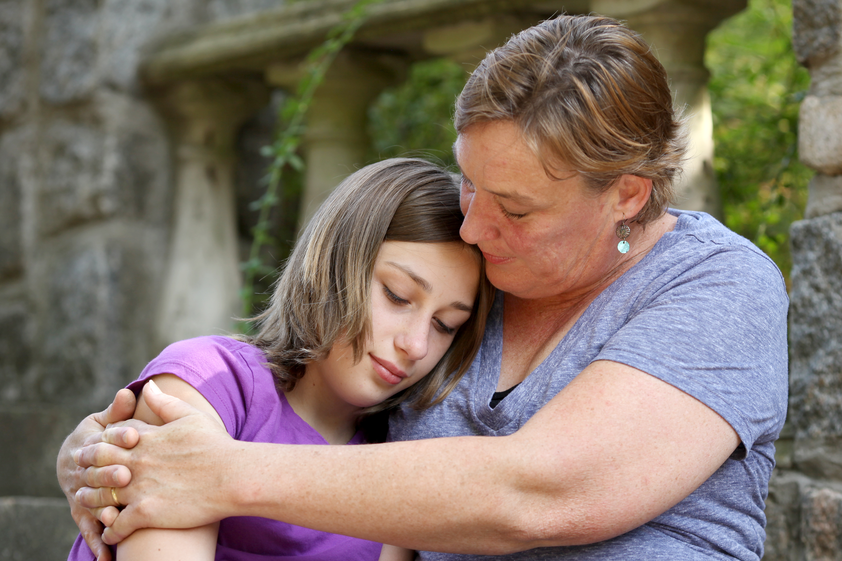
For many Australians, homelessness still brings to mind a certain image. Quite often male, older, had a life of struggles. While that reality remains, it no longer reflects the full picture.
Today, housing issues and homelessness is increasingly affecting people who are working, raising families, studying, paying mortgages or renting homes they can no longer afford. It can happen after a relationship breakdown, job loss, illness, rising housing costs or simply because a landlord decides to sell. It’s our mothers, our young people, those new to this country and those who have lived here all their life.
The face of homelessness has changed, and so too must the way we think about it.
For Jasmine Scott, Wesley Mission Queensland’s (WMQ) Living Well General Manager, this shift has unfolded over more than two decades working in housing and homelessness services. From supporting young people into accommodation to leading services across the sector, she's witnessed both the growing demand and the increasing complexity of housing insecurity.
"What we're seeing now is that primary homelessness is increasing and becoming normalised," Jasmine says. "It is becoming more visible...and it is taking longer to achieve housing outcomes for people." Perhaps the biggest change is who is now seeking help.
"More working households are at risk and falling into the support system," she explains, "but are often not eligible for products and services due to income thresholds." Those observations are echoed across WMQ's services.
Penny Morris, Emergency Relief Manager, says the cost-of-living crisis is changing who is walking through the doors.
"We are seeing more and more people seeking out support due to the increasingly high cost of living. And we are seeing an increase in the number of people visiting who are homeless." Families, people working multiple jobs, and even homeowners struggling with rising interest rates are increasingly seeking assistance to cover basic essentials and utility bills - highlighting that housing stress is no longer confined to those traditionally considered vulnerable.
Housing is a commodity where bargaining is strong and only those with resources can survive,” Jasmine affirms.
More than a housing problem
While affordability and low vacancy rates are significant drivers, Jasmine believes today's homelessness crisis also exposes something much bigger.
The current state of homelessness highlights the siloed and disjointed service system, policies, funding and conflicting expectations which we ask people to navigate.
Housing services don't simply help people find somewhere to live. They help people navigate mental and physical health services, education, employment, financial hardship, family relationships, legal issues and disability supports. Stable housing depends on all these systems working together.
It can happen to almost anyone
One of the biggest misconceptions, Jasmine says, is that homelessness is something people choose or somehow bring upon themselves.
Most of us are one pay check or one personal challenge away from housing instability...being homeless is expensive. You have to pay for everything in the moment."
Sometimes the trigger is surprisingly ordinary: a lease not being renewed, a landlord reclaiming a property, illness, injury or relationship breakdown. Without the right support at the right time, one life event can quickly become a housing crisis and getting out of a crisis can prove difficult.
The data reflects this reality. At Logan Youth Foyer, housing affordability stress (60%) and relationship or family breakdown (59%) were the two most common reasons young people sought support. Previous accommodation ending, domestic and family violence, and housing crisis events such as eviction were also among the leading contributors.
Yet the outcomes also demonstrate what is possible. Between 2021 and 2025, Logan Youth Foyer recorded a 54% decrease in unstable accommodation and a 20% increase in employment among residents - evidence that stable housing provides the foundation for lasting change.
However Jasmine points out that is it naïve to believe that all issues suddenly vanish once stable housing is attained.
“Housing is a good foundation, but people need wellbeing, connection, life meaning, safety and security of tenure. Support with housing is key to sustainment.”
Changing the conversation
Jasmine recalls hearing the story of a successful professional who lost a family member, experienced a relationship breakdown, saw his mental health decline and eventually lost both his job and home. For more than a year, he slept on the beach before rebuilding his life.
It's a story that challenges assumptions about who experiences homelessness - and reminds us that it rarely follows a predictable path.
If there's one message Jasmine hopes people take away this Housing and Homelessness Week, it's that homelessness is everyone's issue.
Housing stress and homelessness can be both complex and simple. A small issue can lead anyone to a complicated situation.
When asked what Jasmine wishes people understood most about those experiencing homelessness, she reminds everyone to acknowledge the real people behind the labelling.
“They have a history that has led them to this experience and there will be many systemic failures in that story. They are resilient – stop asking them to be strong. They are resourceful and probably know how to manage finances better than most. They deserve real investment in housing solutions and support pathways.”
Real change, she says, will require investment in affordable housing, better-connected service systems and stronger public support for housing as a priority.
Because housing isn't just about having a roof over your head. It's the foundation that allows people, families and communities to thrive.
We’d like to acknowledge the current programs and roughly 80 staff who are the champions of Wesley Mission Queensland’s Housing and Homelessness services every day:
- Specialist Youth Housing Services (SYHS)
- Supporting Those At Risk of Homelessness (STARH x 3) – Gold Coast, Ipswich, Logan & Redlands teams
- Lockyer Valley Housing Services
- Logan Youth Foyer
- Youth Housing and Reintegration Services (YHARS)
- And our sister program sitting in the Youth and Family Services business unit – Housing and Support Link