Understanding SDA design categories
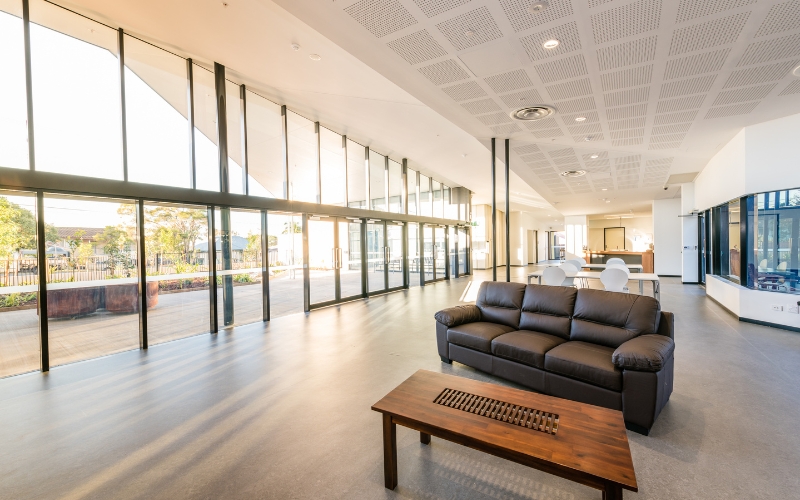
What they mean and how they affect housing options
If you've recently been approved for Specialist Disability Accommodation (SDA) funding, or are exploring whether SDA may be right for you, you may have heard terms like:
- High Physical Support
- Fully Accessible
- Improved Liveability
These are the four SDA design categories used for Specialist Disability Accommodation.
Your SDA design category is an important part of your SDA determination because it helps identify the type of housing that may best suit your support needs, accessibility requirements, and daily living goals.
What are SDA design categories?
SDA design categories are housing classifications used by the NDIS to describe different types of specialist disability housing.
Each category is designed to support participants with different functional impairments, accessibility needs and support requirements.
The category approved in a participant's SDA funding can influence:
- the type of property they may be eligible for
- housing features and accessibility
- available vacancies
- compatibility with other residents
- support arrangements within the home.
|  |
WesleyCare Cannon Hill Apartments
The four SDA design categories
1. Improved Liveability
Improved Liveability SDA homes are designed for people who may benefit from enhanced physical access, wayfinding, sensory considerations or cognitive supports.
Based on individual functional needs, these homes may suit some participants with:
- intellectual disability
- autism
- sensory disability
- cognitive or psychosocial disability.
Features may include:
- clear and simple layouts
- improved lighting and visual contrast
- spaces designed to reduce sensory overload
- improved wayfinding throughout the home
2. Fully Accessible
Fully Accessible SDA homes are designed for participants with significant physical impairment who require a high level of physical access.
These homes often include:
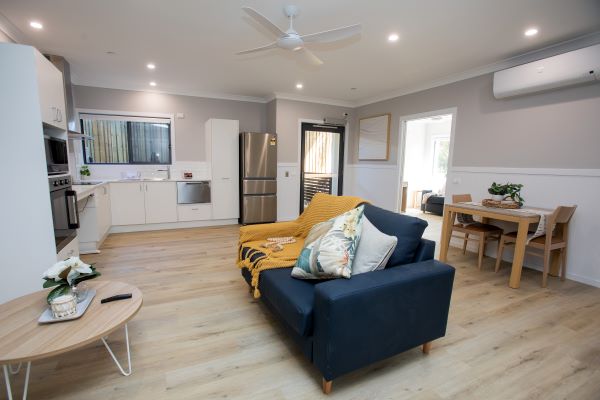
- step-free access
- wider doorways and hallways
- accessible bathrooms and kitchens
- wheelchair-friendly layouts.
These features are designed to improve independence and accessibility throughout the home environment.
3. High Physical Support
High Physical Support homes are designed for participants with very high physical support needs or complex care requirements.
These homes may include:
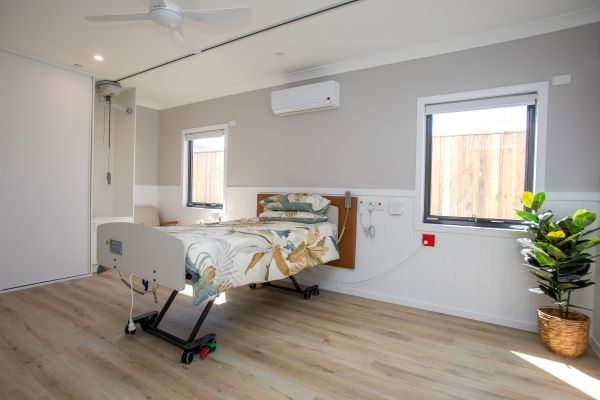
- ceiling hoists
- assistive technology
- emergency backup power
- communication systems
- structural supports for specialised equipment.
High Physical Support homes are often designed to support participants who require extensive daily assistance or complex supports.
4. Robust
Robust SDA homes are designed for participants who require a high level of resilience and safety in the built environment.
These homes may include:
- durable materials and fixtures
- impact-resistant features
- layouts designed to minimise risks
- spaces that support safety and regulation.
Robust housing is intended to support participants whose needs may create risks to themselves, their supports or others in certain environments.
Why SDA design categories matter
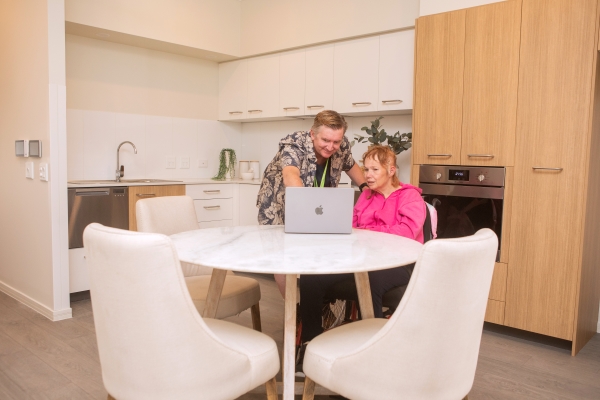
Understanding your SDA category can help you:
- identify housing that matches your support needs
- understand what features may be available in a home
- explore suitable vacancies
- have clearer conversations with providers and support teams.
Not every SDA property is suitable for every participant, which is why the design category is such an important part of the housing matching process.
Can participants change SDA categories?
SDA funding and categories are determined by the NDIA, based on assessments and supporting evidence.
If a participant’s needs change over time, they may be able to request a review of their SDA funding or support arrangements through the NDIS process.
Support coordinators and allied health professionals can help guide participants through these discussions.
How we can help
If you already have SDA funding approved and are exploring housing options, our team can help you:
- understand available SDA vacancies
- explore different housing models and living arrangements
- discuss compatibility and support needs
- learn more about our SDA homes and locations.
Looking for suitable SDA housing?
Contact our team to learn more about current vacancies and housing options.
Frequently asked questions about SDA design categories
What is an SDA determination?
An SDA determination is the NDIA’s decision about whether a participant is eligible for SDA funding and what type of SDA housing may suit their needs.
What are the four SDA design categories?
The four SDA categories are Improved Liveability, Fully Accessible, High Physical Support and Robust.
Can I apply for SDA housing without funding?
You can research SDA housing and speak with providers before approval. However, SDA funding generally needs to be included in your NDIS plan before you can move into an SDA home.
Who decides SDA eligibility?
The NDIA decides whether SDA is a reasonable and necessary support based on the participant’s circumstances, evidence and the SDA funding criteria.